The Six Thinking Traps
A habit of thinking that makes a situation seem worse, more personal, or more hopeless than the facts support. Everyone falls into them.
CBTHero

The Catastrophizer
Catastrophizing
Imagines the worst possible outcome and treats a small setback as a disaster.
Sounds like: “I got one question wrong, so I'm going to fail the whole class.”
Try asking: “Is this a disaster, a problem we can solve, or just disappointing?”

The Mind Reader
Mind reading
Assumes they know what someone else is thinking, with no real evidence. The guess is always a bad one.
Sounds like: “My friend didn't say hi. She must be mad at me.”
Try asking: “What do we actually know, and what are we guessing?”

The Fortune Teller
Fortune telling
Predicts that something bad will happen as if it were already certain.
Sounds like: “If I go to the party, nobody will talk to me.”
Try asking: “What are two other ways this could go?”
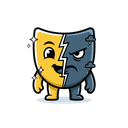
The Splitter
All-or-nothing thinking
Sees things as either perfect or terrible, with nothing in between.
Sounds like: “I didn't get 100%, so I did terribly.”
Try asking: “On a scale of 1 to 10, where does this really land?”

The Personalizer
Personalization
Assumes an event or someone's mood is about them, or their fault, without evidence either way.
Sounds like: “My teacher looks upset. I must have done something wrong.”
Try asking: “What else could explain how they're acting?”

The Magnifier
Magnification
Zooms in on one negative detail until it fills the whole picture, and shrinks the good parts.
Sounds like: “I stumbled over one word. That's all anyone will remember.”
Try asking: “Are we zooming in on one part and missing the rest?”
A three-step routine
- Catch the villain. Which thinking trap is showing up?
- Check the evidence. What facts support the thought? What facts point to another explanation?
- Build a balanced thought. What could you say that is both realistic and kind?
The villains are the thoughts, not the kid.