Glossary for parents & therapists
Everything an adult needs to play alongside a kid: what the villains mean, what each game practices, and the terms you'll see in the Guide panel. Written in plain language. Hover or tap any underlined term inside the game to see these same definitions.
The six villains
In Distortion Detective the kid catches one of six villains. Each one is a thinking trap: a habit of thinking that makes a situation seem worse, more personal, or more hopeless than the facts support. Everyone falls into them. The goal is not forced positivity. It is to notice the trap, look at the evidence, and respond more flexibly.
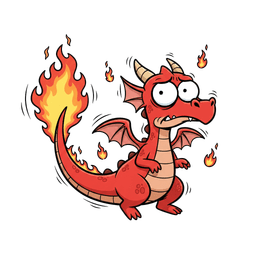
The Catastrophizer · Catastrophizing
“Everything is ruined!”
- What it means:
- Imagines the worst possible outcome and treats a small setback as a disaster.
- Sounds like:
- “I got one question wrong, so I'm going to fail the whole class.”
- Try asking:
- “Is this a disaster, a problem we can solve, or just disappointing?”
- The skill:
- Weighing how likely and how bad something really is, then making a plan.
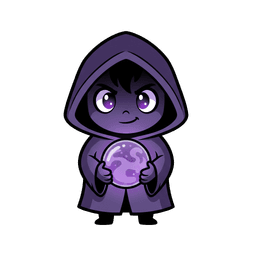
The Mind Reader · Mind reading
“I know what they think…”
- What it means:
- Assumes they know what someone else is thinking, with no real evidence. The guess is always a bad one.
- Sounds like:
- “My friend didn't say hi. She must be mad at me.”
- Try asking:
- “What do we actually know, and what are we guessing?”
- The skill:
- Checking guesses against facts, and asking instead of assuming.
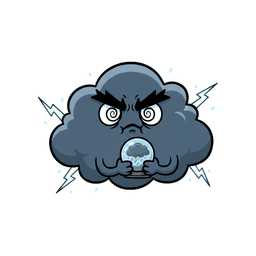
The Fortune Teller · Fortune telling
“The future is doomed!”
- What it means:
- Predicts that something bad will happen as if it were already certain.
- Sounds like:
- “If I go to the party, nobody will talk to me.”
- Try asking:
- “What are two other ways this could go?”
- The skill:
- Tolerating not knowing, and making realistic predictions.
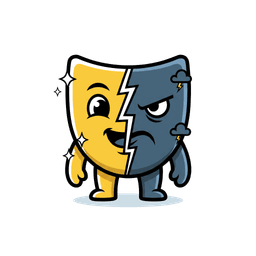
The Splitter · All-or-nothing thinking
“Perfect or garbage!”
- What it means:
- Sees things as either perfect or terrible, with nothing in between.
- Sounds like:
- “I didn't get 100%, so I did terribly.”
- Try asking:
- “On a scale of 1 to 10, where does this really land?”
- The skill:
- Finding the middle ground, and valuing effort and partial progress.
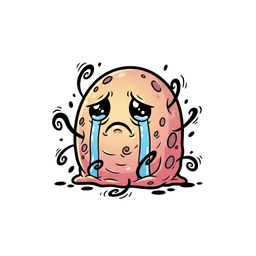
The Personalizer · Personalization
“It's about me!”
- What it means:
- Assumes an event or someone's mood is about them, or their fault, without evidence either way.
- Sounds like:
- “My teacher looks upset. I must have done something wrong.”
- Try asking:
- “What else could explain how they're acting?”
- The skill:
- Separating real responsibility from blame that isn't theirs.

The Magnifier · Magnification
“This is enormous!”
- What it means:
- Zooms in on one negative detail until it fills the whole picture, and shrinks the good parts.
- Sounds like:
- “I stumbled over one word. That's all anyone will remember.”
- Try asking:
- “Are we zooming in on one part and missing the rest?”
- The skill:
- Putting a mistake in context, and noticing the whole experience.
How the villains differ
Some pairs feel similar at first. A thought can also fit more than one villain; the game rewards the best fit, and talking about why is the point.
- The Catastrophizer vs. The Magnifier: The Catastrophizer imagines terrible consequences that haven't happened. The Magnifier blows up one detail that did.
- The Mind Reader vs. The Fortune Teller: The Mind Reader guesses what people are thinking. The Fortune Teller predicts what will happen.
- The Personalizer vs. The Mind Reader: The Personalizer assumes it's about me. The Mind Reader assumes I know what you think.
- The Splitter vs. The Magnifier: The Splitter only sees the extremes. The Magnifier over-weighs one flaw.
The six games
Each game practices one CBT skill through short, illustrated scenarios about a character the kid's age. Because the stories are about someone else, kids can think through a hard situation without having to admit it is theirs.
Distortion Detective
Spotting thinking traps (cognitive distortions)
What the kid practices: Noticing a thought like "Nobody likes me" or "I always mess up." Naming the trap behind it, then checking whether the thought holds up.
Good for: Negative self-talk · Assuming the worst · Black-and-white thinking · Jumping to conclusions
The stories in Distortion Detective, and how to start →Story Splitter
Considering other explanations (cognitive flexibility)
What the kid practices: Coming up with more than one explanation for a situation. A friend who doesn't say hello isn't automatically angry.
Good for: Rigid thinking · Social misunderstandings · Reading too much into what others do
The stories in Story Splitter, and how to start →The Gauntlet
Staying steady when things are hard (frustration tolerance)
What the kid practices: Facing a frustrating challenge and watching the frustration meter rise. Choosing responses that keep it in check: a breath, a break, trying again.
Good for: Frustration · Giving up quickly · Outbursts · Perfectionism · Trouble handling mistakes
The stories in The Gauntlet, and how to start →Emotion Engine
Naming and managing feelings (emotional awareness and regulation)
What the kid practices: Naming what a character is feeling, rating how strong it is, and choosing a coping strategy before the feeling boils over.
Good for: Big reactions · Trouble naming feelings · Anger · Anxiety · Catching early warning signs
The stories in Emotion Engine, and how to start →The Tower
Facing fears one step at a time (gradual exposure)
What the kid practices: Climbing a tower of small brave steps toward something scary, rating how scary each floor feels. Discovering that you can handle the fear even when it feels hard.
Good for: Anxiety · Avoidance · Specific fears · Building confidence
For a child's real-life fears, this one is best done with a therapist's guidance.
The stories in The Tower, and how to start →Thought Forge
Building balanced thoughts (cognitive restructuring)
What the kid practices: Turning an overly negative thought into one that is both realistic and kind: "I can't do anything right" becomes "Some things are hard, and I get better with practice."
Good for: Self-criticism · Negative thinking · Low confidence · Bouncing back from setbacks
The stories in Thought Forge, and how to start →Which game to start with
A rough map from what a kid is working on to the game that practices it.
| The kid is working on… | Start with |
|---|---|
| Big reactions, or trouble naming feelings | Emotion Engine |
| Frustration when things get hard | The Gauntlet |
| Rigid thinking or social misunderstandings | Story Splitter |
| Negative self-talk | Thought Forge |
| Assuming the worst | Distortion Detective |
| Avoiding things because they feel scary | The Tower |
Two games that pair well: Distortion Detective is about noticing an unhelpful thought, and Thought Forge is about replacing it with a balanced one.
A three-step routine you can use anywhere
- Catch the villain. Which thinking trap is showing up? There may be more than one.
- Check the evidence. What facts support the thought? What facts point to another explanation?
- Build a balanced thought. What could you say that is both realistic and kind?
“Nobody likes me” might become “I felt left out today, but one hard moment doesn't tell me what everyone thinks. I can check in with a friend.”
A kid's worry can be about something real, like exclusion, bullying, or unfair treatment. Validate the experience before exploring the interpretation, and never label the child as a villain or treat every uncomfortable thought as inaccurate. The villains are the thoughts, not the kid.
CBT terms you'll see in the Guide panel
- CBT
- Cognitive behavioral therapy. A well-studied approach built on a simple idea: thoughts, feelings, and actions affect each other, so changing how we think about a situation can change how we feel and what we do.
- Thinking trap
- Also called a cognitive distortion. A habit of thinking that makes a situation seem worse, more personal, or more hopeless than the facts support. Everyone falls into them. The goal isn't forced positivity; it's noticing the trap and looking at the evidence.
- Automatic thought
- The first thought that pops up in a situation, before there's been any chance to think it over. Thinking traps usually show up here.
- Balanced thought
- Also called a reframe. A replacement thought that is both realistic and kind. Not "everything is fine," but "this was hard, and I can handle it."
- Cognitive flexibility
- Being able to hold more than one explanation, or more than one way of seeing a situation, at the same time.
- Coping strategy
- Something done on purpose to handle a strong feeling: slow breathing, taking a break, moving your body, talking to someone.
- Frustration tolerance
- The ability to stay steady and keep going when something is hard or goes wrong, instead of giving up or blowing up.
- Frustration meter
- The gauge in The Gauntlet that rises with each frustrating twist. It's inspired by the "four levels of anger" volcano many therapists teach: the earlier you notice it rising, the easier it is to cool down.
- Facing fears step by step
- Called gradual exposure in CBT. Approaching a scary situation in small steps, starting with an easy one, so the brain learns the situation is uncomfortable but not dangerous.
- SUDS
- A fear rating from 0 to 10 of how scary or upsetting something feels right now. The initials stand for Subjective Units of Distress Scale. The Tower asks for one at every floor.
- Intensity
- How strong a feeling is, rated from 0 to 10. The same feeling can come in very different sizes, and noticing the size is the first step to managing it.
- Hero and Guide
- The Hero is the kid. They make every choice in the game. The Guide is the adult, whether a therapist, parent, or caregiver, who sees the answer key, hints, and discussion prompts and decides when the game moves on.
- Discussion prompt
- A question the Guide can ask to turn a game moment into a conversation. Using one during co-play earns the Hero bonus points.
These are plain-language explanations of the terms used in CBT Hero, for adults playing alongside a kid. They are educational, not clinical advice. CBT Hero is not therapy and not a crisis resource.